
Hip pain often shows up in the groin, on the outer side of the hip, or in the buttock. Imaging can sometimes reveal structural changes—wear and tear or labral changes—but these rarely explain the whole pain experience. Hip pain is often driven by the nervous system’s protective tension and altered movement patterns. Treatment aims to restore the hip’s natural, relaxed movement and to ease the fear that comes with pain.
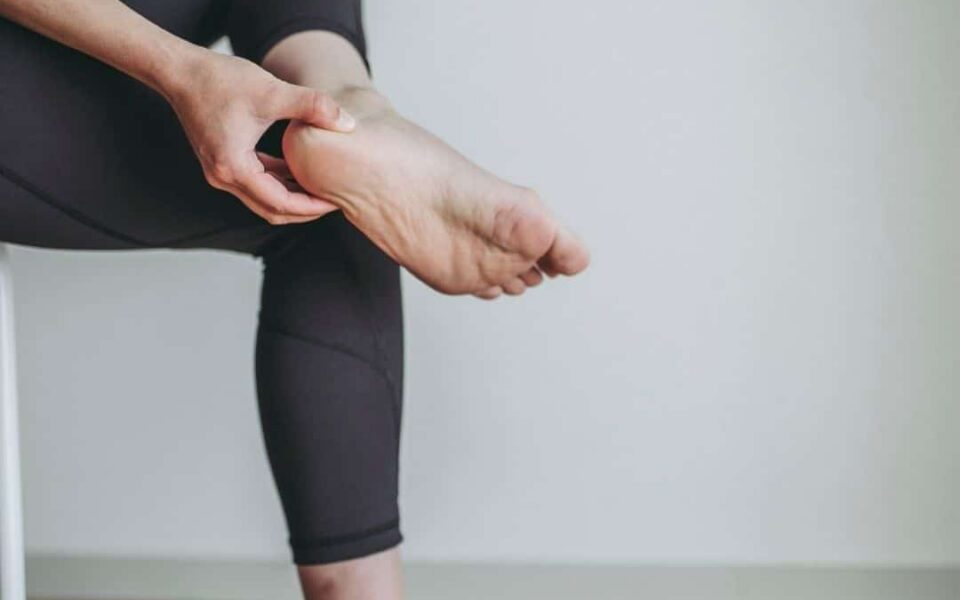
Hip pain is a common problem with many possible causes. People often assume it’s immediately due to damage in the hip joint or osteoarthritis. In reality, hip pain frequently occurs without any clear structural issue in the joint. It can also stem from alignment problems along the entire lower limb, so the foot and ankle may need to be examined. Hip pain commonly appears when walking or running, felt along the outer edge of the hip. Sometimes it’s worst at night and can disturb sleep, especially when lying on the affected side.
An osteopath can find the true cause of hip pain
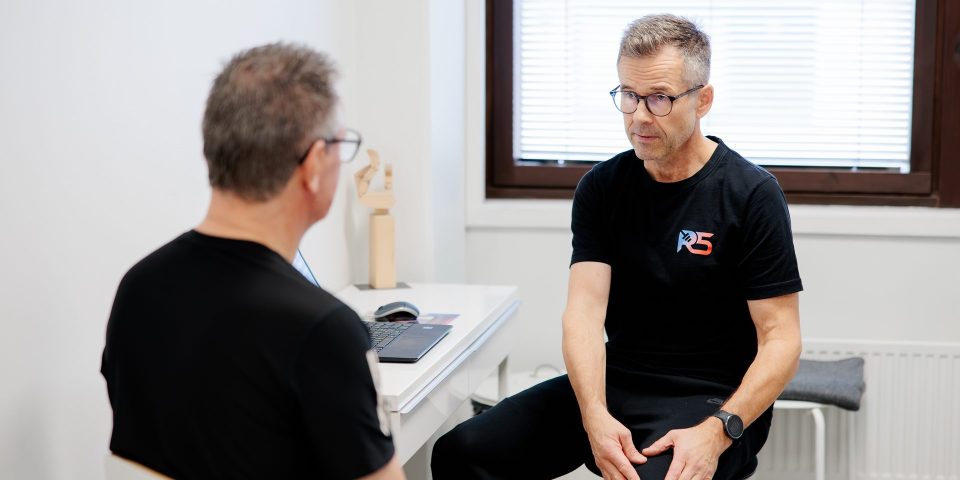
Often symptoms around the hip are referred from muscle tension in the lower back and pelvic area. Accurately identifying the root cause of pain is critical for designing an effective treatment plan. That’s why when assessing hip pain, it’s important to consider that the problem may not actually be in the hip itself but could originate elsewhere in the body. This highlights the complexity of diagnosing non‑traumatic hip pain and underscores the value of a thorough, professional assessment. A skilled osteopath knows how to investigate where the hip symptoms are coming from.
“Over 30 years I’ve seen many people told they need hip surgery based on images alone. Yet the latest evidence (including the principles behind the RESTORE trial) shows that by changing how we use and think about the hip, we can often avoid costly, invasive procedures. It’s really about restoring trust in the body.” – Jerry Ketola
The right diagnosis is the key to effective care
Pinpointing the exact cause of non‑traumatic hip pain is an important step toward creating a tailored, effective treatment plan. It all starts with the patient’s story — how, when and under what circumstances the symptoms began. Next comes an osteopathic clinical exam to assess hip range of motion and perform various pain provocation tests. The client’s medical history is also reviewed, including any contribution from osteoarthritis.
X‑rays, ultrasound or MRI are not the first‑line investigations for non‑traumatic hip pain. That’s because most hip pain is driven by non‑structural factors that an osteopath can identify through hands‑on clinical testing during the consultation.
Given the countless potential causes of non‑traumatic hip pain, a one‑size‑fits‑all approach simply doesn’t work. Only by accurately identifying the source of symptoms can you design an individualised, effective treatment strategy. So don’t underestimate the importance of getting the right diagnosis when treating and rehabbing non‑traumatic hip pain.
Osteopathy and rehabilitationta
Once the cause of hip pain is identified, a professional can create the best possible rehab plan to control the symptoms. Hip pain is almost always linked to tightness in the lower back and glute muscles, and osteopathic treatment of these areas often brings immediate relief. As an osteopath I always work on the hip region and, when appropriate, give self-care instructions to support the treatment.
The exercises aim to strengthen the muscles around the hip. It’s important to start gently and progress gradually toward more challenging movements. Successful rehab brings pain under control and improves quality of life. As the pain eases, you can move forward with daily activities and hobbies.
Why does my hip feel constantly tight even though I stretch? Tightness is often a protective tension created by the nervous system. If the nervous system perceives the hip as “weak” or “injured,” it tightens the surrounding muscles to protect the joint. Stretching gives only temporary relief; lasting relaxation comes when the nervous system learns that movement is safe.
Is hip osteoarthritis always the cause of pain? Not necessarily. Many people have visible osteoarthritis on images but no symptoms. Pain often arises when the body’s ability to cope with load is exceeded due to stress, poor sleep, or unhelpful beliefs — not just from wear and tear.
How does hip pain treatment progress? We assess which movements trigger guarding or tension. We then rehearse those movements (for example, squatting or walking) in a relaxed way without unnecessary protective tension. At the same time, we address any worries about the hip’s resilience.
About the author
Jerry Ketola is a Helsinki-based osteopath and Master of Health Sciences with over 30 years’ experience treating and rehabilitating musculoskeletal conditions. He specializes in back pain and is the author of the nonfiction book Back Pain and the Power of the Mind (Otava 2017). Jerry combines manual therapy with active rehabilitation and goal-oriented personal training in his work.