
Sciatica refers to irritation of the sciatic nerve, often felt as radiating pain or numbness. While a bulging disc is a common cause, nerve sensitivity and the body’s protective responses also play a big role in how pain is experienced. Modern treatment focuses on calming the nerve, safe movement, and rebuilding confidence in the back’s resilience.
Sciatica is a nerve-related pain condition. It radiates or refers from the back into the buttock and/or leg. Typically, sciatica causes more leg pain than back pain. The most common cause is a herniated or bulging disc pressing on a nerve. In that case the nerve is compressed where it passes the lumbar vertebrae. Disc herniations most often occur between L4–L5, and the radiating pain can reach as far as the big toe.
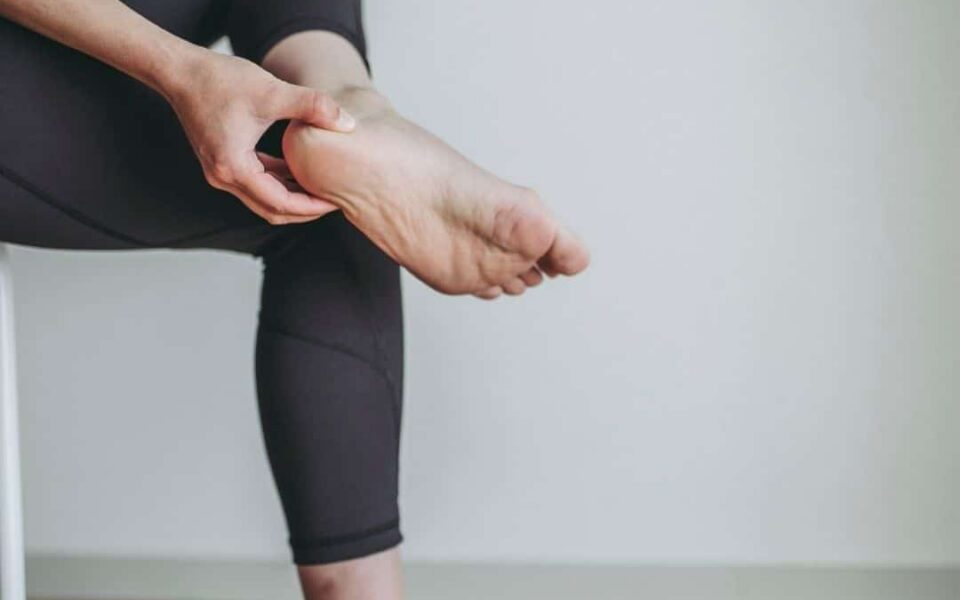
Sciatic pain differs from ordinary back pain in that it’s usually more intense and involves radiating pain down the leg, into the buttock, the back of the thigh, the shin, or the foot. Symptoms include numbness, tingling, and muscle weakness. The radiating symptoms come from the disc physically pressing on the nerve. Similar symptoms can also arise without direct compression, when irritating acidic material from the disc inflames the nerve root.
Sciatica symptoms vary a lot between people — some feel mild pain, others much more. For some the main symptom is pain confined to the buttock, while others have symptoms in different parts of the lower leg. Symptoms also differ functionally: some worsen when sitting, others when standing, walking, or lying down. The back muscles can also spasm tightly and pull the spine out of alignment.
A slipped (herniated) disc is diagnosed with an MRI. In recent years MRI studies have shown that a herniated disc can sometimes cause no symptoms at all. The exact reason for symptom-free herniations isn’t fully understood yet. Patients are referred for MRI based on a clinical exam when there’s a strong suspicion of a herniated disc.
Osteopathic treatment for sciatica
Fortunately, most herniated discs heal on their own over time without surgery. Symptoms usually ease for most people within a few weeks and on average within about three months. Sciatica always causes muscle tightness in the lower back and buttocks and can affect the leg muscles. Osteopathic treatment can help relieve symptoms, and many people also find relief from anti-inflammatory painkillers. If walking is possible, it’s often recommended as the first-choice form of exercise.
It’s important to remember that most herniated discs do indeed get better without surgery. If a particular position eases your symptoms, it’s a good idea to return to that position several times a day to give the nerve breaks from pressure caused by the herniation. Likewise, avoid activities that provoke pain and move while listening to your body.
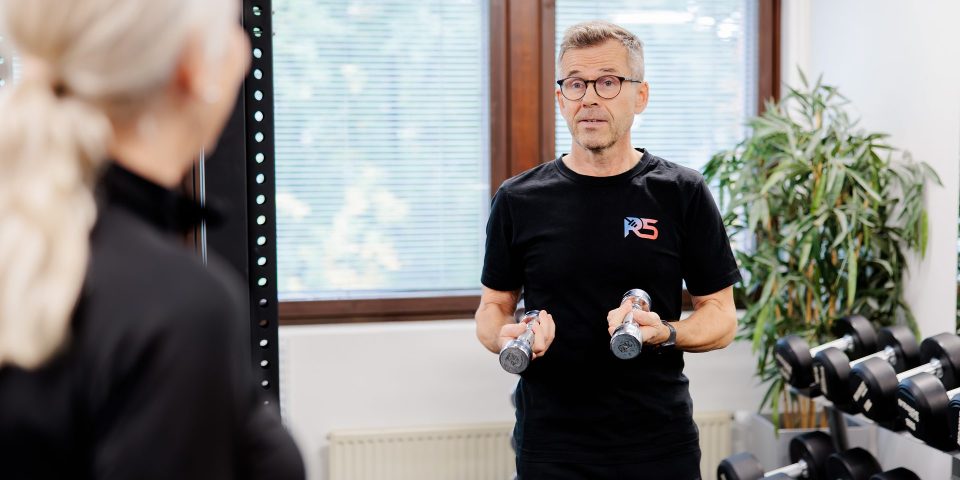
”With over 30 years treating sciatica, I’ve learned that rest alone is rarely the best medicine. The key to recovery is finding the exact direction and movement that relieves pressure on the nerve and restores the spine’s normal mechanics.” – Jerry Ketola
There are also relieving movements for sciatica that can soothe an irritated sciatic nerve and loosen tight muscles. As symptoms settle, strengthening exercises are needed too, because nerve compression can cause muscle weakness and motor control problems in the affected area. A compressed nerve recovers relatively slowly, so consciously retraining the muscles can speed up the process.
How do I know if my pain is sciatica? Sciatica pain typically radiates from the lower back or buttock clearly down the thigh, shin, or into the foot. You may also experience numbness or a feeling of weakness in the leg.
How long does sciatica last? Most sciatica improves within 6–12 weeks with the right care and activity. If the symptoms are severe or don’t get better within a couple of weeks, you should see a specialist for evaluation.
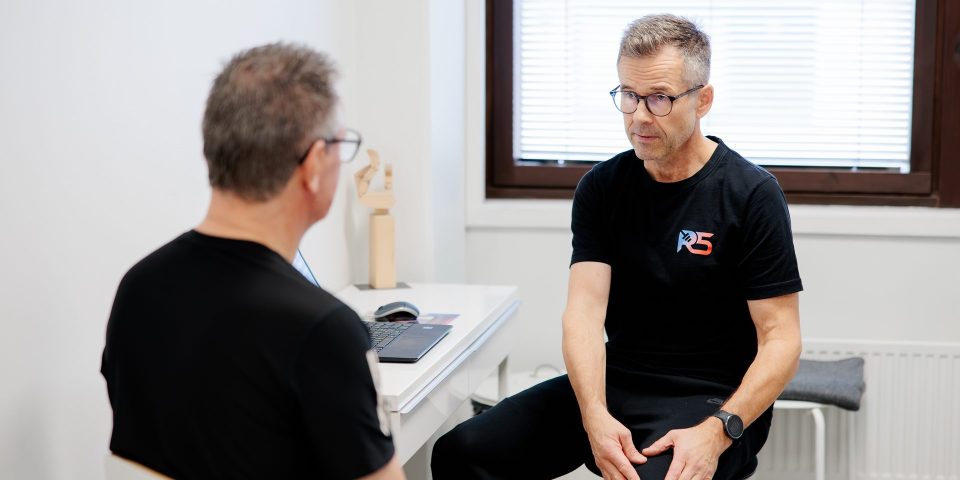
Can osteopathy help sciatica? Yes. In osteopathy we don’t just treat the symptom — we help calm the nervous system and release protective tension that limits movement. We use hands-on therapy to support easier movement so you can get back to your normal life without fearing the pain.
What self-care do you recommend for sciatica pain? Try a “nerve glide”: lie on your back with your knees bent to relax the lower back muscles. Place your hands just above the knee on the affected side’s hamstring and slowly begin to straighten the leg. Gradually increase the range of motion up to the pain threshold and perform 10 pumping motions a few times a day.
When should I see a doctor?
If the pain is severe, you have noticeable weakness in your legs that prevents walking, or you have loss of bladder or bowel control, seek medical attention. If symptoms are mild, try to stay calm and keep moving within the limits of what you can tolerate.
About the author
Book an appointment for a sciatica assessment here.
Jerry Ketola is a Helsinki-based osteopath with a Master’s in Health Sciences and over 30 years’ experience treating and rehabilitating musculoskeletal conditions. He specializes in back pain and is the author of the non-fiction book Selkäkipu ja mielen voima (Otava 2017). In his practice Jerry combines hands-on manual therapy with active rehabilitation and goal-oriented personal training.
You might also be interested in my article about SI joint problems — read it here.
Thanks for reading my blog — I hope you found it helpful.
Best,
Jerry, osteopath, PT
You might also be interested in my article on hip pain — read it here.
Read more and check the expert references:
This article is based on my clinical experience and the following medical guidelines and studies:
- Current Care Guideline for Low Back Pain (2024) – Finland’s national treatment guideline.
- Sciatica and herniated disc – Lääkärikirja Duodecim, Terveyskirjasto.
- Prevention and treatment of low back pain – The Lancet (2018), an international review of low back pain management.
- The RESTORE Trial (The Lancet, 2023) – Shows the effectiveness of cognitive functional therapy (CFT) for chronic low back pain, even when radicular symptoms are present.
- Low back pain: early management in primary care (NICE Guidelines)