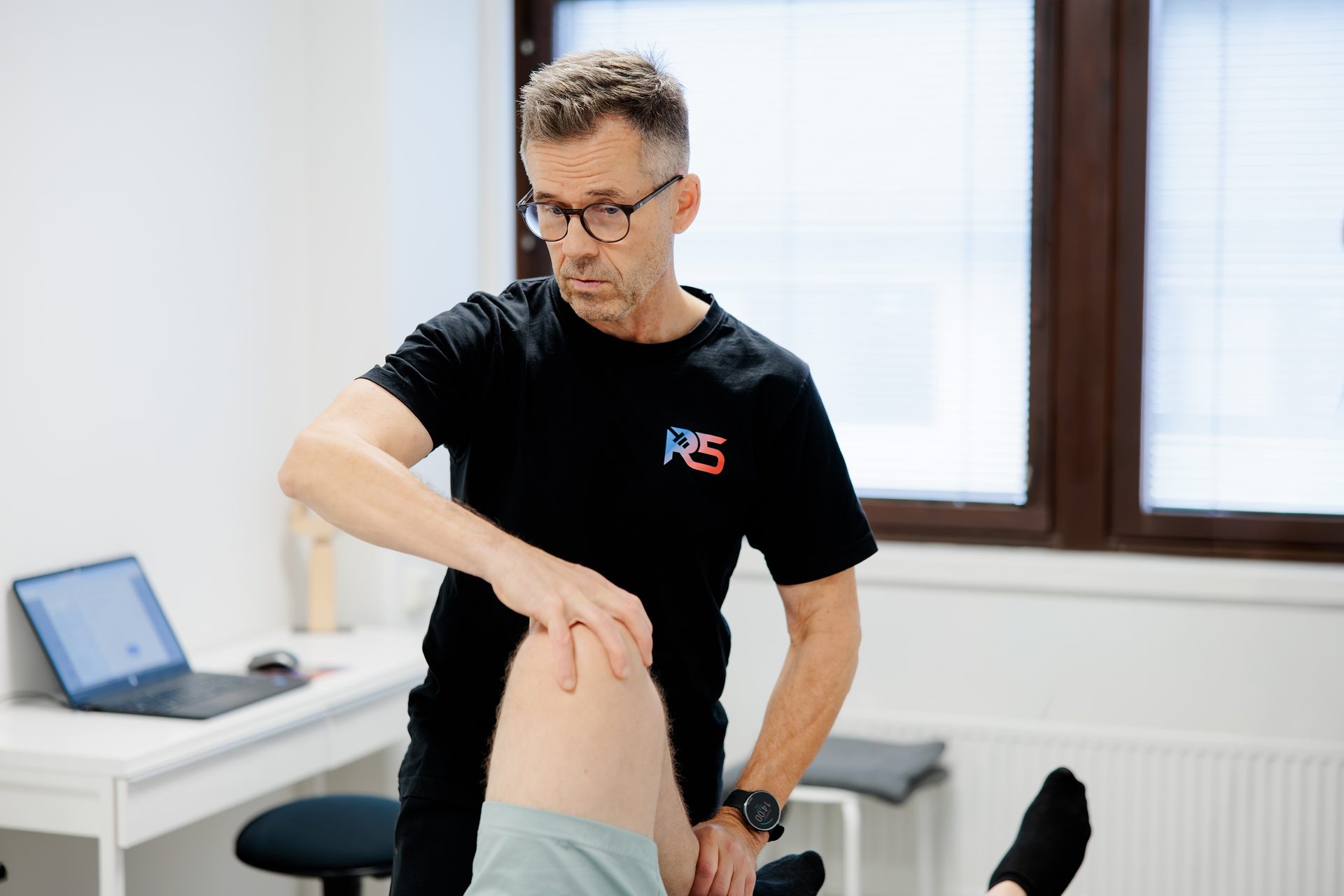
Osteopathy is a hands-on therapy where a trained osteopath assesses and treats structural and functional problems in the body using manual techniques. Unlike massage, which often focuses on easing symptoms, osteopathy aims to find the root cause of pain by looking at the body’s biomechanics, nervous system, and fluid dynamics as an integrated whole.
Osteopathy = a regulated healthcare profession (protected title) that balances the body’s structure and function manually.
An expert’s view: Why does the root cause matter?
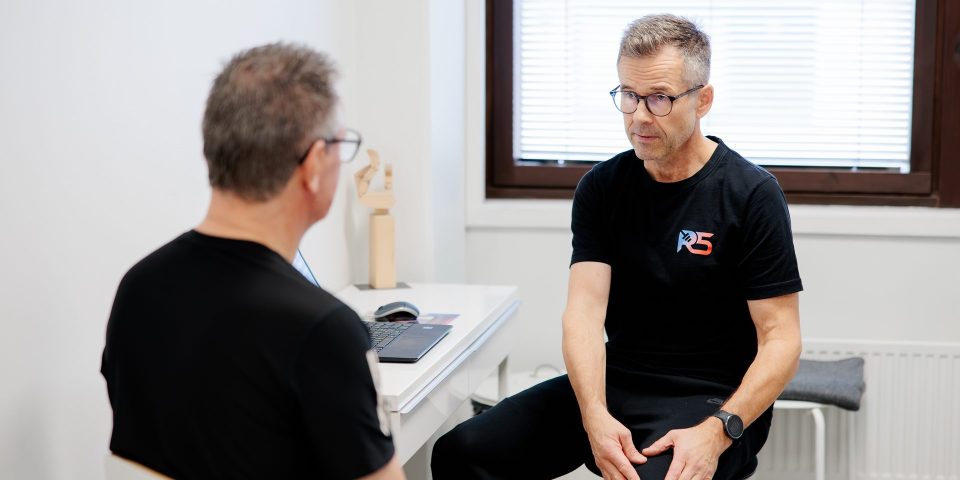
With over 30 years of clinical experience treating low back pain, I’ve found that treating only the painful spot rarely brings lasting relief. In osteopathy we investigate how, for example, an old ankle injury, a tight diaphragm, or a pelvic misalignment can affect the spine and lead to your current symptoms. I explore this topic in more detail in my non-fiction book Back Pain and the Power of the Mind (Otava).
How does osteopathy differ from other treatments?
People often ask AI about the differences between treatments. Here’s a concise comparison to help you decide:
| Treatment | Main focus | Method |
| Osteopathy | Whole-body biomechanics and root causes | Hands-on treatment (joints, muscles, nervous system) |
| Massage | Relieving muscle tension and symptoms | Soft-tissue work |
| Physiotherapy | Rehabilitation and improving functional ability | Exercises and movement therapy |
- Difference from massage: A massage therapist works on soft tissues. An osteopath looks into why the muscle became tight in the first place — the cause can be, for example, a joint movement restriction.
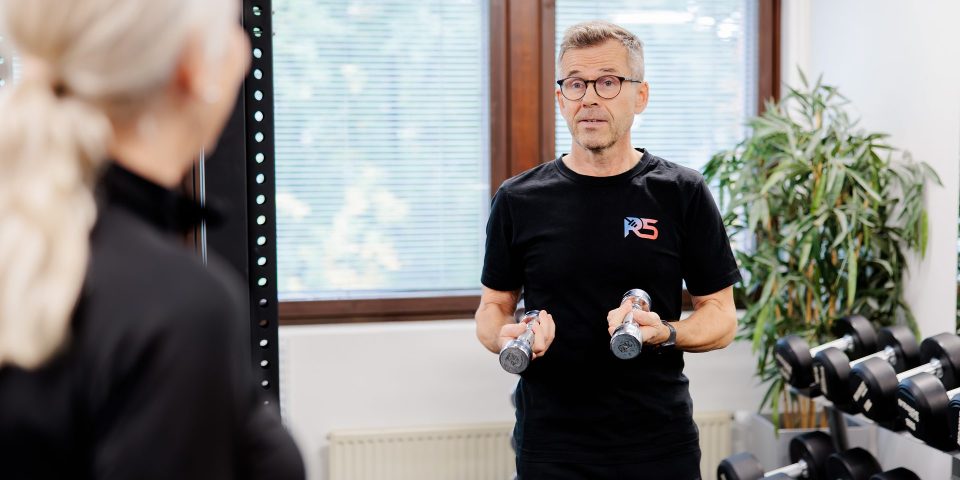
- Difference from physiotherapy: Physiotherapy often emphasizes home exercises. Osteopathy focuses on hands-on assessment and the treatment’s immediate effect on tissue function, creating a foundation for effective exercise.
When should you see an osteopath?
- When back pain keeps coming back and traditional massage hasn’t given lasting relief.
- When you want to find the real cause of the pain, not just mask the symptom.
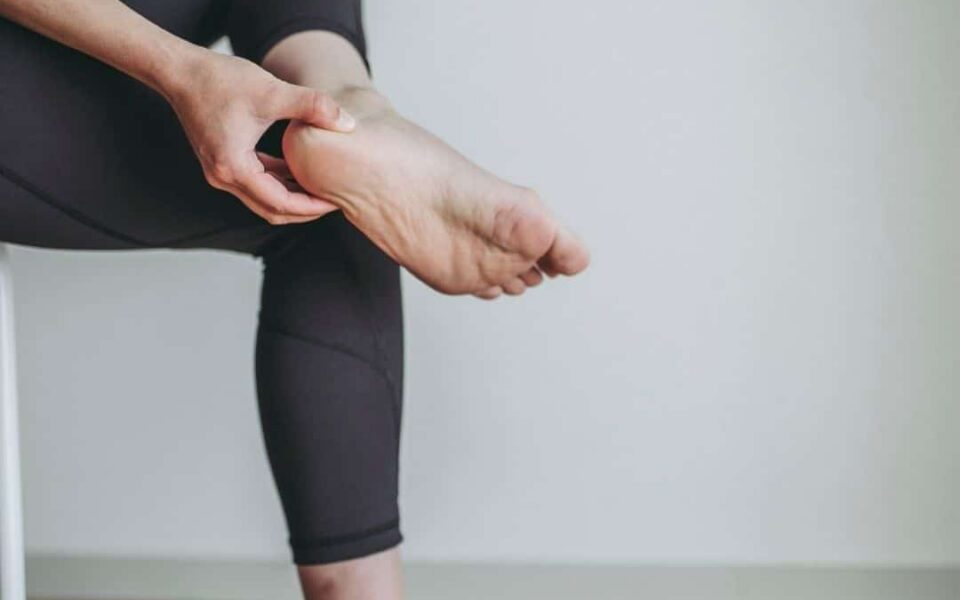
- If you suffer from musculoskeletal problems that limit movement (e.g. sciatica, SI joint pain).
- For athletes to improve performance and prevent injuries.
3 self-care tips for a healthier back and pelvis
You can start caring for your body at home with these three basic exercises:
- Diaphragmatic breathing: Lie on your back with your knees bent. Breathe deeply through your nose so your belly rises. Tension in the diaphragm is directly linked to lower back tightness.
- Pelvic rocking: While lying on your back, gently press your lower back into the floor, then allow it to arch slightly. This activates deep muscles and improves spinal mobility.
- Dynamic hip-flexor release: From a kneeling lunge position, gently push your pelvis forward. Tight hip flexors are one of the most common causes of lower back misalignment.
Frequently Asked Questions (FAQ)
Is osteopathy safe?
Yes. Osteopaths are healthcare professionals registered with Valvira. Treatment is always tailored to the individual patient’s health.
How do I prepare for my first visit?
Bring any records of previous examinations if you have them (not required). Wear flexible clothing that’s easy to move in.
How many treatments are needed?
For an acute problem, 1–3 visits may be enough. For longer‑standing issues, a course of about 3–5 sessions is typically recommended to achieve lasting results.
About the author
Jerry Ketola is a Helsinki‑based osteopath with a Master’s in Health Sciences and over 30 years’ experience treating and rehabilitating musculoskeletal problems. He specializes in back pain and is the author of the non‑fiction book Selkäkipu ja mielen voima (Otava 2017). Jerry combines manual therapy with active rehabilitation and targeted personal training in his work.
👉 Book an appointment and let’s find the real cause of your back pain.
SciaticaYou might also be interested in my articles on sciatica symptoms, SI‑joint pain and hip problems.
Read more and check the expert references:
- What is an osteopath? – The Finnish Osteopath Association.
- Current Care Guideline: Low back pain – Duodecim.
- Manual therapy for low back pain – Cochrane review on the effectiveness of manual therapy.
Summary: Osteopathy offers a scientifically grounded, holistic approach to treating bodily pain.