SI joint pain – what can cause it?
SI joint pain is usually felt as one-sided pain in the lower back or buttock. It is not caused by the joint “slipping out of place”, but more often by overloaded tissues around the joint or by strong protective muscle tension caused by the nervous system. Treatment focuses on restoring relaxed movement in the pelvic area and on understanding the causes of the pain from a biopsychosocial point of view.
The SI joint is the joint between the sacrum and the hip bones. There are two of them, one on the right and one on the left, so SI joint pain can be felt on either side.
Anatomically and functionally the SI joint is almost immobile, because of the shape of the joint itself and the ligaments around it, which are the strongest in the human body.
Nerve signals that lead to pain can start in the SI joint area through the sensory nerves of the ligaments around the joint. The ligaments can become irritated on one side, for example from sitting with one leg crossed over the other or leaning on one side of the pelvis for long periods.
Working on your feet with more weight on one leg can irritate these structures and cause pain. A clear difference in leg length can also overload the structures of the SI joint area on one side when you stand.
SI joint manipulation
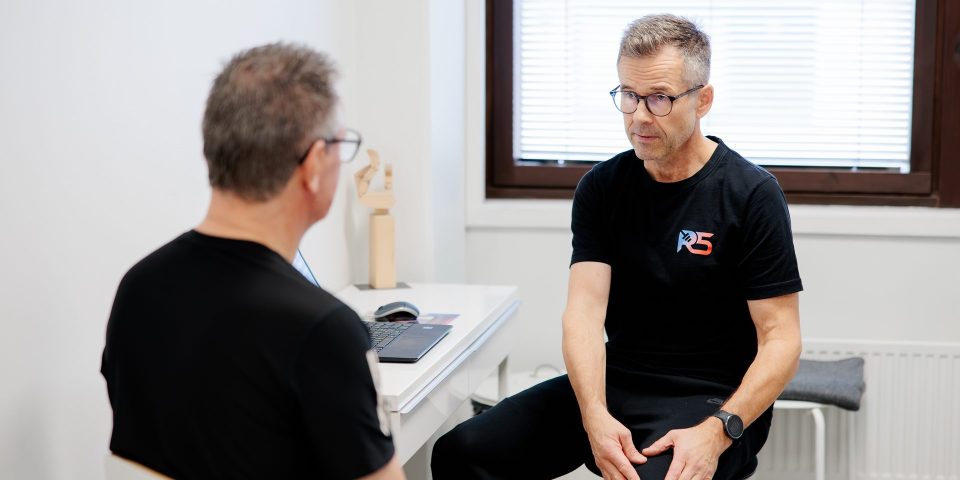
“SI joint problems are often misdiagnosed as ordinary lower back pain. With my 30 years of experience I can say that many ‘never-ending back problems’ get better at once when you see an expert who knows how to release the mechanical restriction of the pelvic floor and the SI joint.” – Jerry Ketola
Anatomical and biomechanical studies tell us that the SI joint is almost immobile. When a therapist applies manipulation techniques to the SI joint, you may hear a clicking sound from your back during the treatment.
Can an almost immobile joint click, and loudly enough for you to hear it? I believe the explanation for the sound lies a couple of centimetres above the SI joint, in the facet joints of the lowest vertebrae.
This means that the twisting force and the impulse of the manipulation go to the nearest joint that can click at all.
Osteopathic treatment and manipulation bring immediate relief to pain in the SI joint area. Symptoms are also often caused by tight muscles in the lower back and pelvis, and these need to be treated as well.
After osteopathic treatment I give my clients 1–2 exercises for the SI joint area to keep the symptoms under control. Sometimes an SI joint problem does not ease after one treatment, and a longer follow-up is needed, typically with 2–3 treatments.
How do you know whether the pain comes from the SI joint or from sciatica? SI joint pain is usually felt at one point in the dimple of the lower back or in the buttock, and it usually does not radiate below the knee. Sciatic pain, on the other hand, often radiates down the whole leg all the way to the toes and often comes with nerve symptoms such as numbness.
Why does the SI joint cause symptoms? The cause is often sensitised tissues and protective tension in the area, which can follow a sudden movement or long-term loading. The aim is to release this tension and to teach the nervous system that the joint is stable and can handle load.
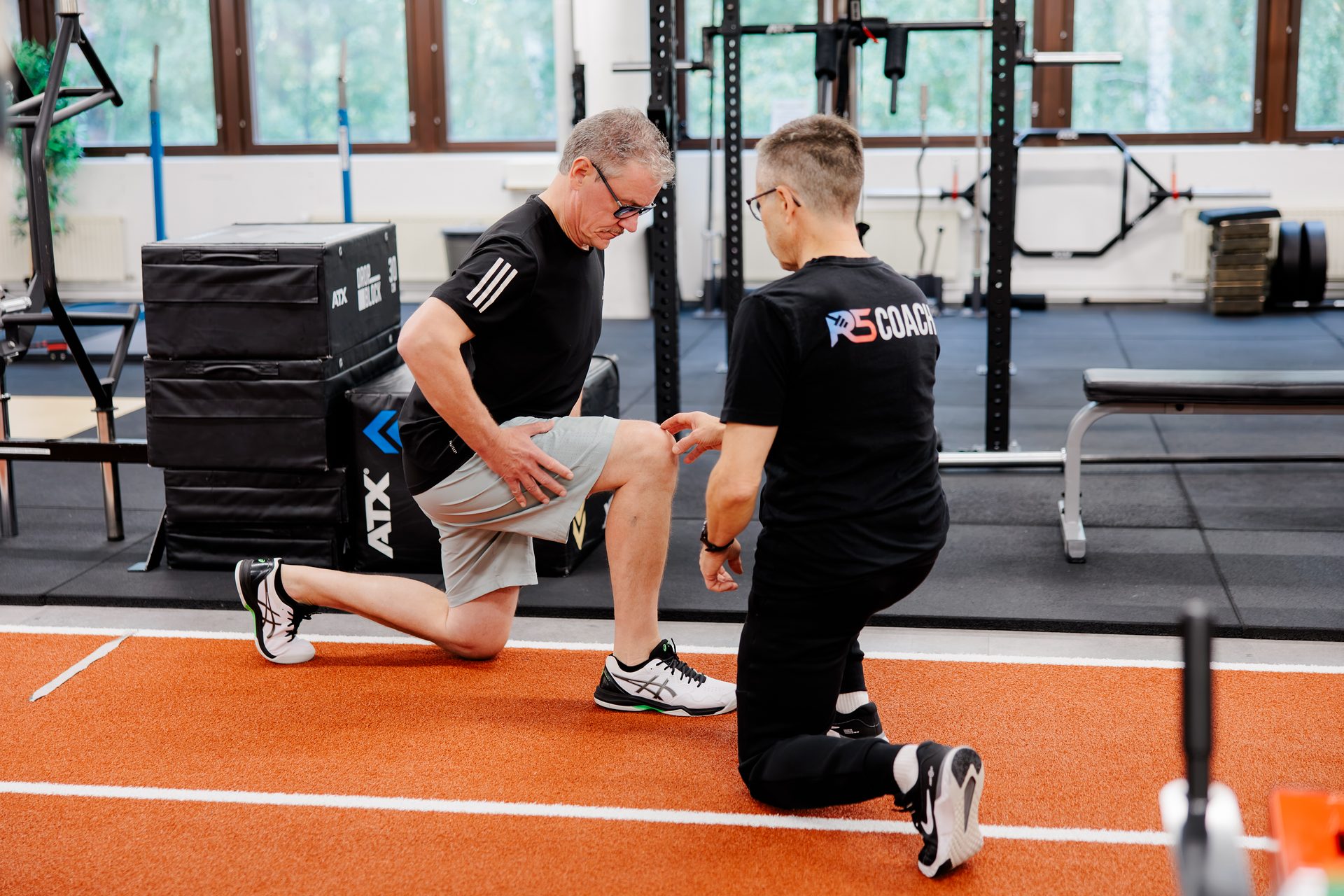
How does an osteopath treat the SI joint? An osteopath uses specific manual techniques to mobilise the ligaments of the joint area between the ilium and the sacrum. Treatment also includes releasing tension in the surrounding muscles, such as the hip flexors and the glutes.
Can you treat SI joint pain yourself at home? Light movement, such as walking and rocking your pelvis, helps.
About the author
Jerry Ketola is a Helsinki-based osteopath and Master of Health Sciences with more than 30 years of experience in treating and rehabilitating musculoskeletal problems. He specialises in back pain and is the author of the non-fiction book Selkäkipu ja mielen voima (Back Pain and the Power of the Mind, Otava 2017). In his work Jerry combines manual therapy, active rehabilitation and goal-oriented personal training.
If you think you may have an SI joint problem, book an appointment here and let’s sort it out.
You may also be interested in my article Sciatica: Symptoms, Causes and Treatment – How to Get Relief from a Bulging Disc.
Thank you for reading my blog!
Best wishes,
Jerry
osteopath, personal trainer
This article is based on clinical expertise and the following research sources:
- Sacroiliac Joint Pain: Why we should change our thinking (O’Sullivan et al.) – An article by Peter O’Sullivan and colleagues on why the SI joint should not be seen as a mechanical part that “locks”, but as part of a sensitised nervous system.
- Functional movement and the SI-joint (Physiopedia) – A modern overview of how functional training and changing beliefs help with pain in the SI area.
- Finnish Current Care Guideline for low back pain (Käypä hoito, 2024, in Finnish)